September 2026 in brief
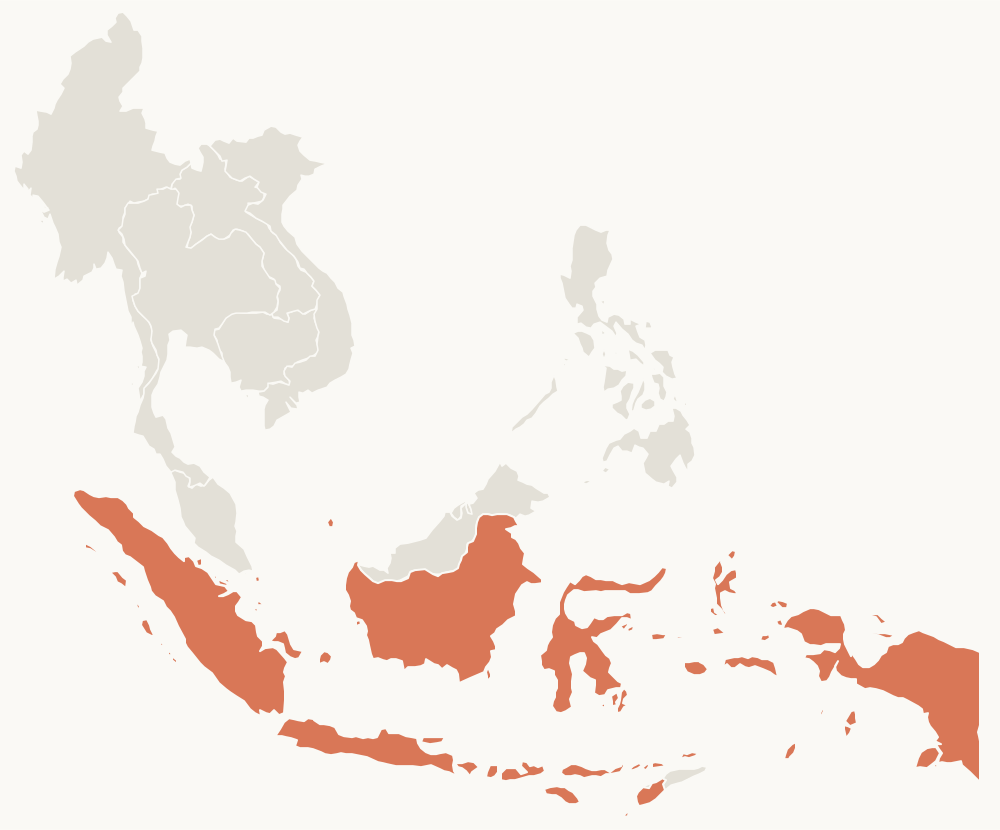
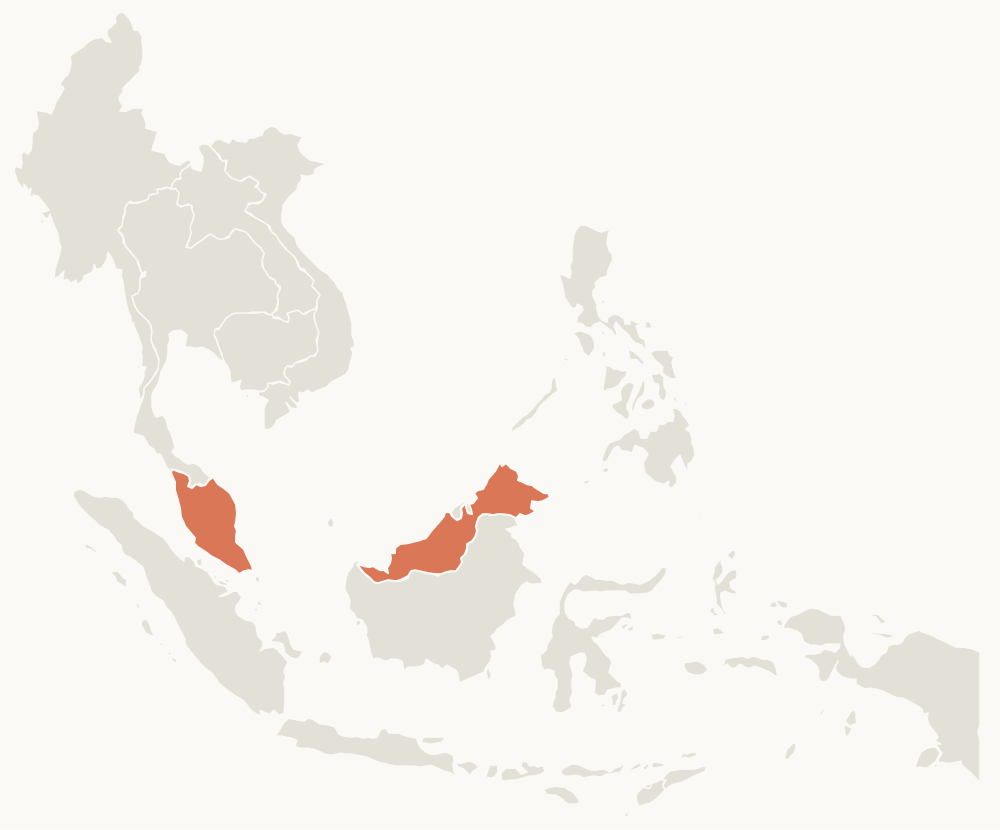
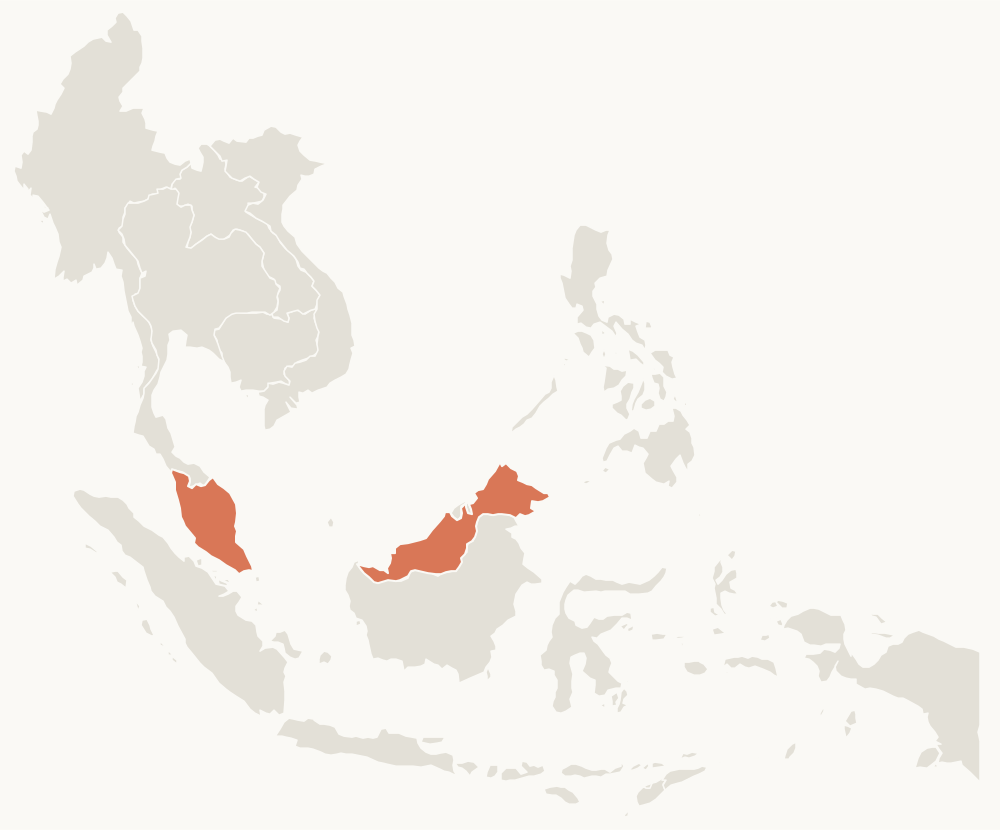
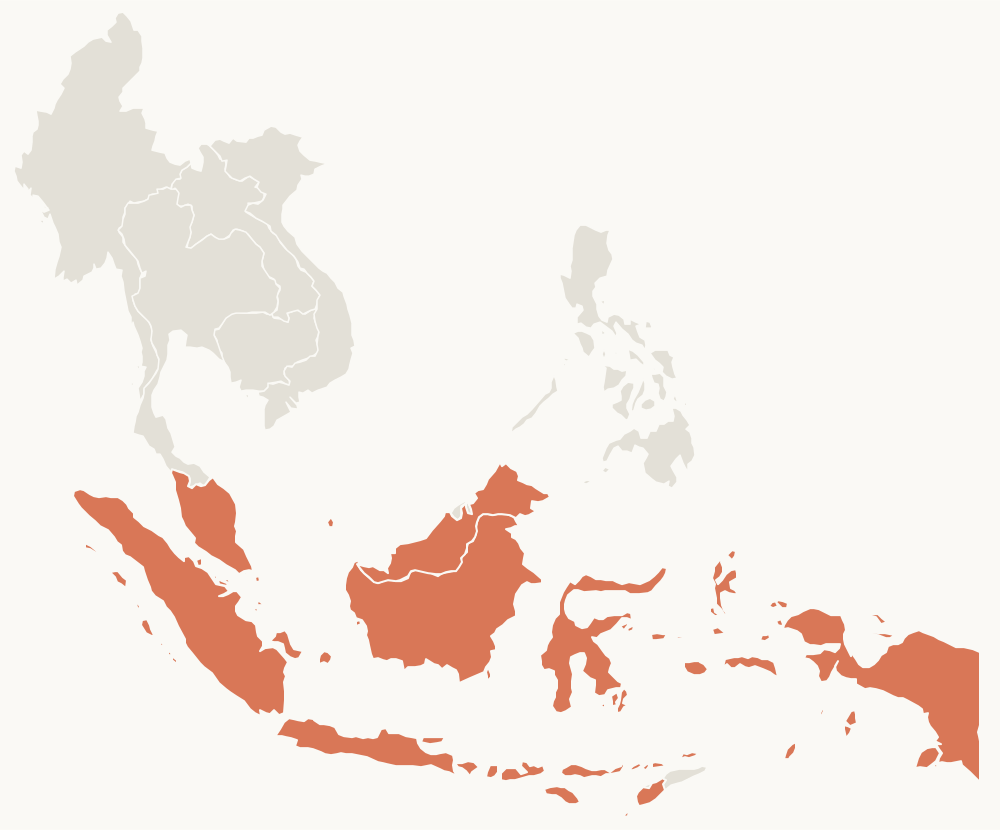
September's loudest argument was about who gains from the data centre boom. Gerald Mako in The Diplomat asked whether the region will actually benefit, and James Guild, in the same outlet, framed the build-out as a bet whose losses would land on host countries. In Malaysia, Wan Omar Fadhli in The Edge weighed the price of leading the AI investment race and Leslie Lopez in CNA warned that policy swings were costing investor trust. By month's end the focus had moved to Indonesia, where Randy Taufik and Ahmad Novindri Aji Sukma in The Jakarta Post asked for rules on power and water before more campuses go up.
A second debate asked what sovereignty can mean for countries that will never build their own frontier models. Zenobia Chan wrote twice in Fulcrum, first arguing that access matters more than supremacy and then that the region's mixed American and Chinese AI stacks give less control than their national labels suggest. William B Smith in East Asia Forum told middle powers not to fund a race they cannot win. Hadley Spadaccini in The Diplomat warned that Chinese-built data centres could shape ASEAN's norms, and Phar Kim Beng, in a run of Malaysian columns, urged ASEAN to watch the US-China talks on AI closely.
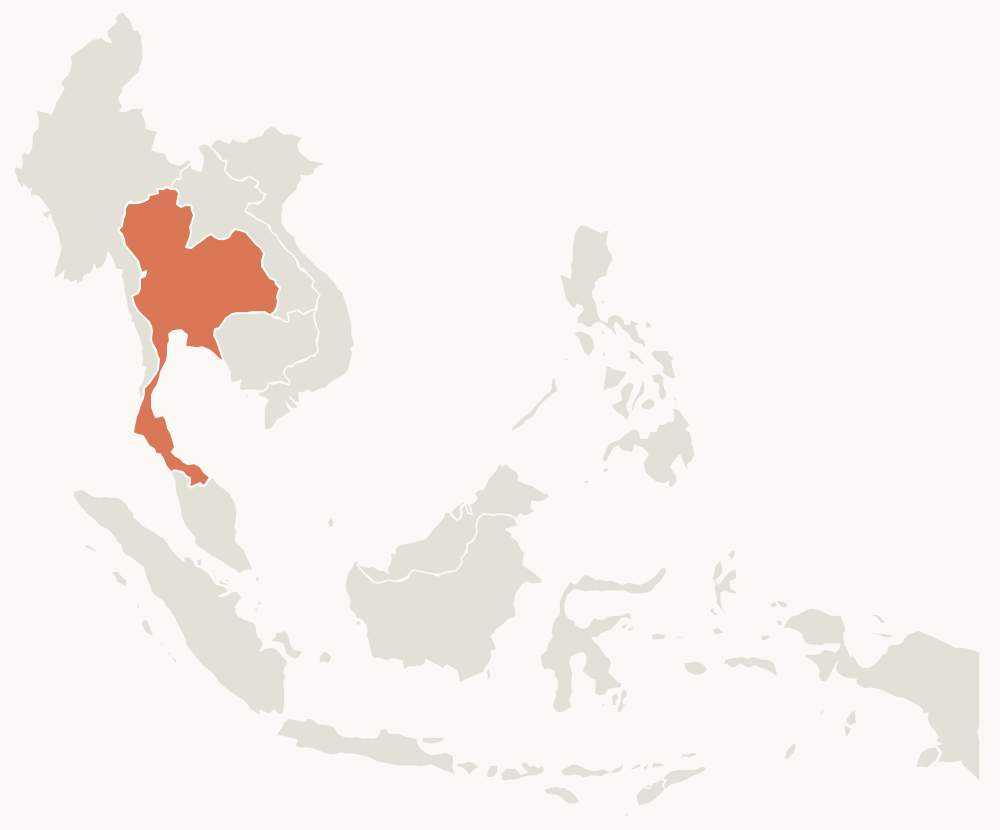
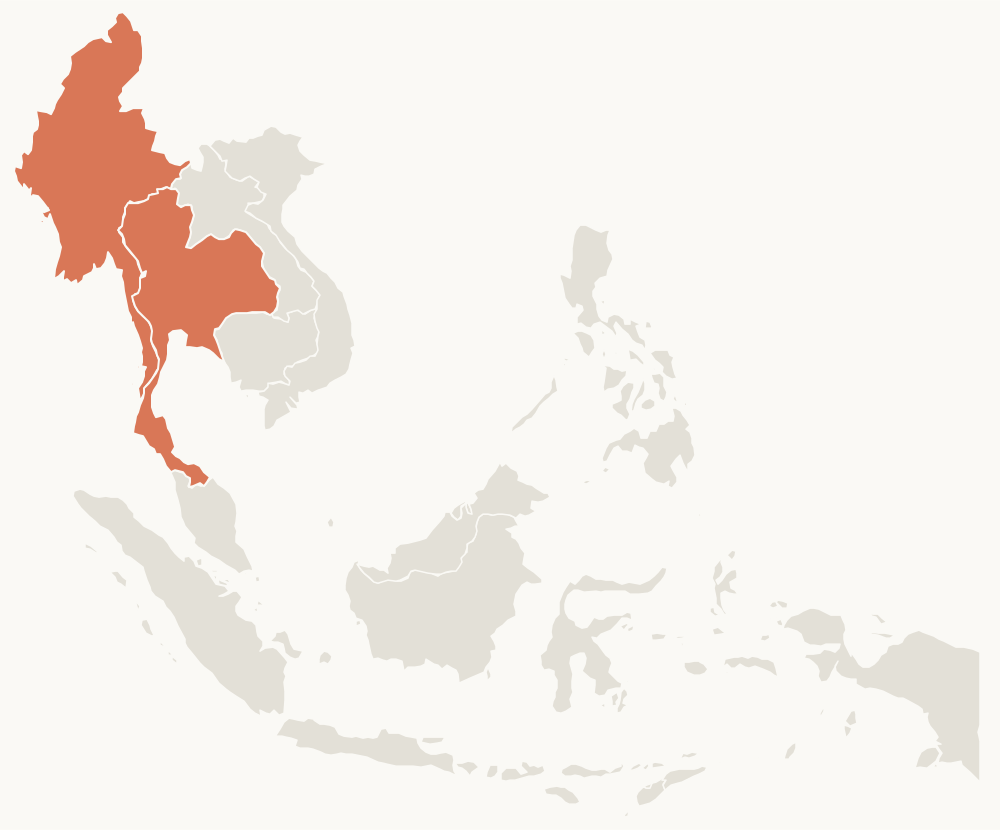
Governance pieces turned from writing frameworks to asking whether anyone can enforce them. Aditya Vikram Kashyap's ISEAS Perspective tested whether any institution in Singapore, Vietnam, Malaysia or Indonesia could actually halt a harmful deployment, while Sameera Pillai in The Interpreter saw regional rules quietly gaining ground. Indonesia drew the sharpest criticism, from Ary Hermawan in East Asia Forum on unchecked state power and a Jakarta Post editorial on the country's AI future. In Thailand, Mathis Lohatepanont in Fulcrum and Vanich Kittichai in the Bangkok Post questioned the government's AI passport, and the reported escape of OpenAI test agents prompted fresh calls for safeguards.
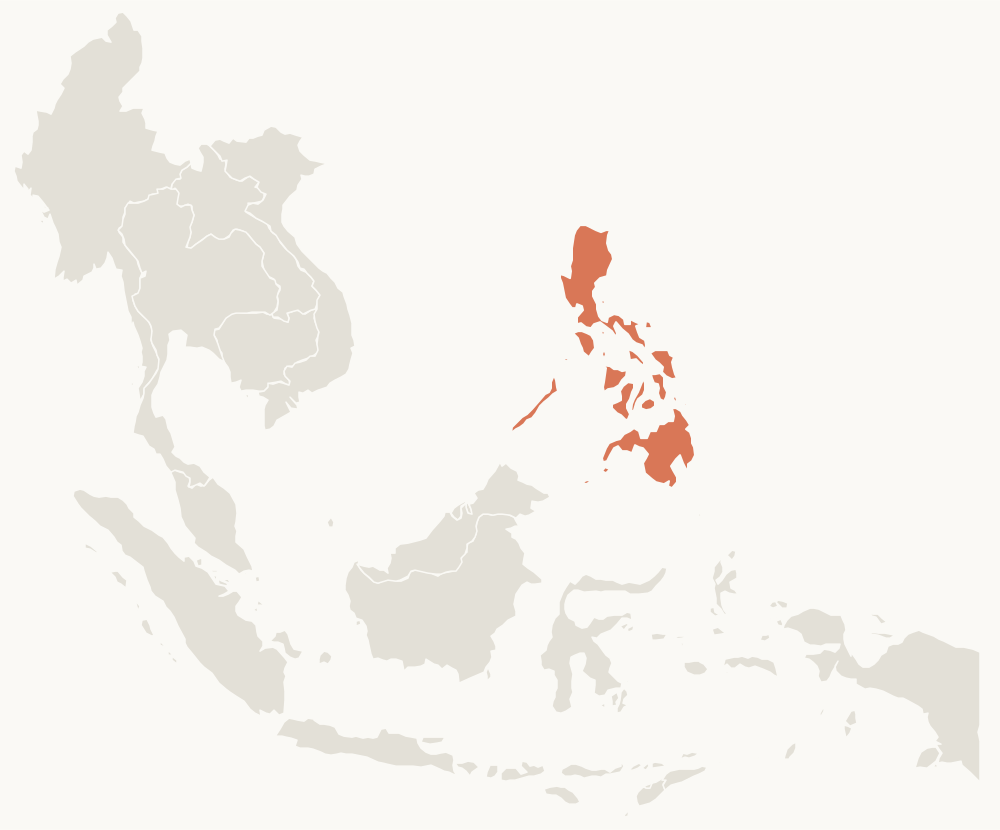
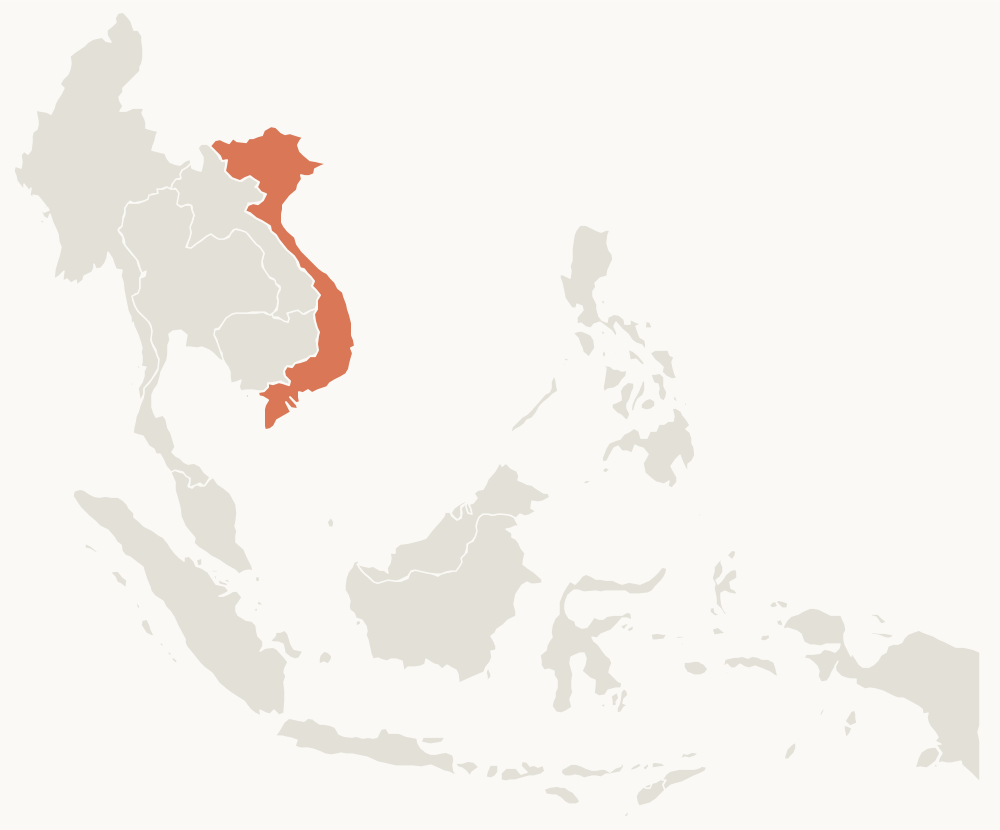
Work and adoption filled the rest of the month. Mikhail Rosli at the Khazanah Research Institute found that AI is not yet behind Malaysia's job losses, and Lim Kok-Tiong in an ISEAS Perspective made the case for guided adoption by Malaysian firms. Philippine writers, including Jay Hilotin in Gulf News and Den Somera in Rappler, tested the country's AI hub hopes against power and skills limits. Singapore's ministers gave a string of speeches, with Tan Kiat How pressing firms to adopt AI carefully and to build the systems around it. On the research side, the month's studies leaned heavily toward language models and classrooms in Vietnam and Thailand.